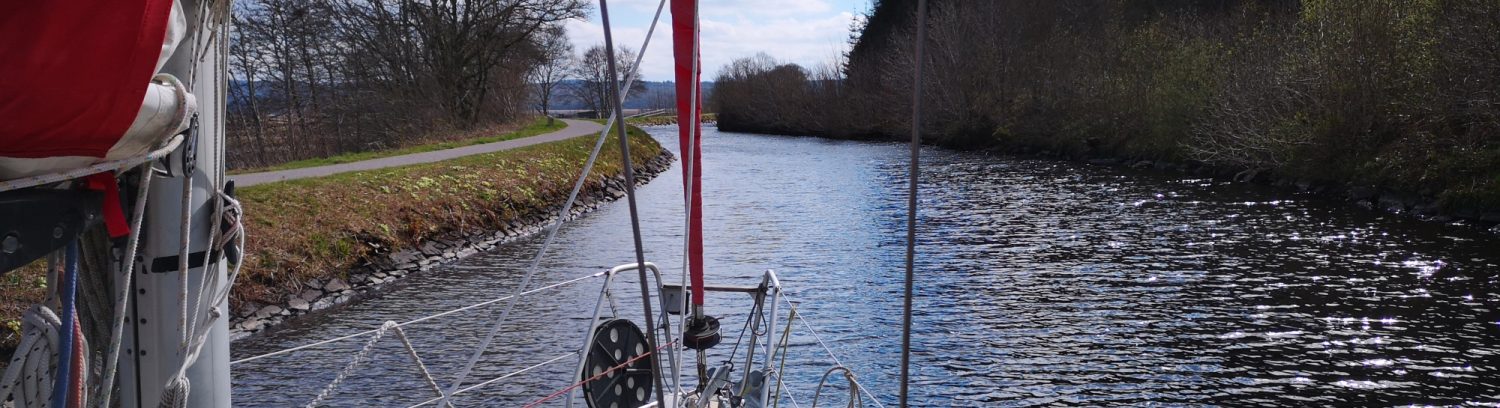
Sailing in Scotland offers a majestic, rugged adventure, blending dramatic highland scenery with world-class maritime challenges. From navigating the island-studded Firth of Clyde to exploring the remote Hebrides, you will encounter unparalleled wildlife, historic castles, and the famous, exhilarating tides of the western coast
The Appeal of Scottish Waters
Scotland is home to some of the most breathtaking cruising grounds in the world. The western coastline and the Inner and Outer Hebrides are particularly celebrated, offering a labyrinth of sheltered sea lochs, deep channels, and remote, white-sand anchorages. Unlike the congested sailing routes of the Mediterranean, Scotland provides a profound sense of isolation and wilderness. The geography of the coast means that you are never far from a safe harbor, a charming village, or a secluded bay where you can drop anchor and enjoy the unspoiled natural beauty.
The Premier Cruising Grounds
The Firth of Clyde
For those looking for accessible yet varied sailing, the Firth of Clyde is a fantastic starting point. With numerous well-equipped marinas, including those at Largs and Troon, this region offers excellent sailing close to Glasgow. The area is protected, making it ideal for family sailing or for those new to the region, while still offering great day-sailing opportunities to islands like Arran, Bute, and the Cumbraes.
The Inner Hebrides (Oban and Mull)
Often described as the gateway to the Isles, Oban is a central hub for Scottish sailing. From Oban, sailors can easily venture out to the Isle of Mull. The Sound of Mull is a magnificent stretch of water bordered by dramatic cliffs and historic castles, such as the 13th-century Duart Castle. A short sail north leads to Tobermory, a colorful, picturesque fishing village famous for its bustling harbor, local seafood, and the Tobermory Distillery.
Further south, the islands of Islay and Jura offer quieter anchorages, pristine beaches, and the chance to visit world-renowned whisky distilleries. The Sound of Islay and the surrounding waters are also famous for a unique maritime thrill: navigating near the formidable Corryvreckan Whirlpool, one of the largest permanent whirlpools on earth./
The Outer Hebrides and The Small Isles
For the more adventurous sailor, the Outer Hebrides and the Small Isles (such as Eigg, Rum, and Canna) promise a deeper wilderness experience. These islands are more exposed to the Atlantic, requiring careful planning and sturdy vessels. Here, you can experience the awe-inspiring beauty of the Cuillin ridge rising dramatically from the sea at Loch Scavaig on the Isle of Skye, or if you are up for a serious offshore passage perhaps anchor in Village Bay on the remote island of Hirta in the St Kilda archipelago.
Wildlife and Nature: Sailing in Scotland is not just about the water; it is a front-row seat to some of Europe’s most spectacular wildlife. The nutrient-rich waters of the Hebrides attract an abundance of marine life. Sailors frequently encounter seals, dolphins, basking sharks, and minke whales. Looking upward, it is common to spot sea eagles and golden eagles soaring over the rugged coastlines. On land, otters and deer are often seen grazing along the wild shorelines.
The Far North-West
Sailing the far northwest of Scotland offers breathtaking, remote cruising. The dramatic coastline is characterized by deep sea lochs, towering cliffs, and scattered archipelagos. Navigating these exposed, tidal waters demands careful planning, but rewards sailors with unparalleled wilderness and encounters with abundant marine life.
Key Cruising Grounds in the North West of Scotland
The Summer Isles & Ullapool: Located near the top of the mainland coast, the Summer Isles offer beautiful, sheltered anchorages and spectacular wildlife-watching. Ullapool Harbour serves as a vital hub to restock and shelter, although deep-water moorings are preferred over pontoons in this exposed sea loch.
Lochinver: Often considered the most accommodating stop in the far northwest, Lochinver offers good anchorages and provides a welcoming environment for yachts.
Cape Wrath & The North Coast: Rounding Cape Wrath requires careful attention to the weather window, tides, and strong currents. For experienced crews, the inshore passage provides a stunning route close to towering cliffs teeming with puffins and guillemots. Kinlochbervie is a convenient jumping off point for Cape Wrath , with pontoons, diesel and basic marina facilities./
Orkney and Shetland
Cruising the waters of Orkney and Shetland offers a dramatic and rewarding expedition featuring towering cliffs, abundant wildlife, and rich Neolithic history. Because of powerful tidal streams and exposed passages, careful planning and respect for local weather are essential for a successful voyage.
Orkney features well-maintained marinas in Kirkwall, Stromness, and Westray. Orkney Marinas offers flexible “rover tickets” that allow you to hop between their facilities and visitor mooring buoys.
Shetland’s 1,700-mile coastline offers incredible natural harbors, but be prepared to anchor in heavy kelp beds and ensure your anchor is well-suited for varying holding grounds.
Navigating the Elements
While sailing in Scotland is incredibly rewarding, it demands respect for the elements. The weather is famously unpredictable; it is common to experience four seasons in a single day. Sailors should be prepared for sudden squalls, changing wind directions, and the occasional need to seek sheltered anchorages during gale warnings.Tidal planning is critical. The channels between the islands, such as the Sound of Luing or the Dorus Mor, experience incredibly fast tidal flows. Wind-against-tide situations can quickly create rough, challenging overfalls that require careful navigation and precise timing. However, taking advantage of a favorable flood tide can make for a rapid and exhilarating passage.
Organizations like the Royal Yachting Association (RYA) have numerous accredited training centers in Scotland, making it a premier destination for learning to sail or gaining advanced qualifications.
For a completely different sailing experience, you can also explore Scotland’s historic canal network. The Caledonian Canal stretches across the Great Lochs, connecting the North Sea to the Atlantic and allowing sailors to cruise directly through the breathtaking Great Glen.